It’s Called Trash Can Raccoon Funny SVG Graphics for Crafts
In the world of digital publishing, the difference between a scroll-past and a click-through often comes down to visual hierarchy and immediate emotional resonance. As a designer who has spent years refining editorial layouts and optimizing content for readability and engagement, I approach every graphic asset not just as decoration, but as a functional component of user experience. When evaluating design resources for real-world application—whether for a lifestyle blog, an affiliate marketing site, or a creative newsletter—the goal is always to enhance trust and clarity while maintaining a distinct brand voice.
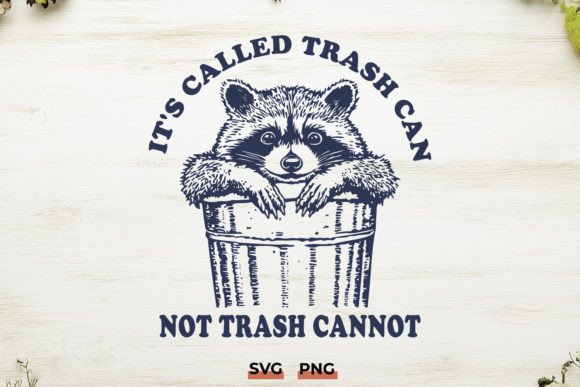
This is where It’s Called Trash Can Raccoon Funny SVG enters the workflow. It is more than just a cute image; it is a strategic design element that can inject personality into otherwise static pages. The phrase "It’s Called Trash Can Not Trash Cannot" paired with a whimsical raccoon illustration offers a specific tonal shift. It moves away from the sterile, corporate aesthetic that plagues so many modern websites and introduces a layer of relatable humor. For publishers targeting audiences interested in home organization, eco-friendly living, parenting, or general lifestyle content, this asset provides an instant connection. It signals that the content creator is approachable, human, and perhaps a little bit messy themselves—a trait that readers find incredibly endearing and trustworthy.
Editorial Mood and Reader Perception
The first impression of It’s Called Trash Can Raccoon Funny SVG is undeniably playful. However, in editorial design, "playful" does not mean unprofessional. When used correctly, it creates a mood that is light, engaging, and inviting. This particular graphic leans heavily into the "lifestyle-focused" category. It feels modern yet cozy, avoiding the overly serious tones of financial or legal niches while still being clean enough for educational content. The visual language suggests a space where mistakes are forgiven and humor is appreciated. This is crucial for content that deals with everyday struggles, such as household management or DIY projects, where the reader might be feeling overwhelmed. A touch of humor acts as a pressure valve, making the content feel less like a chore and more like a conversation with a friend.
From a branding perspective, this asset helps establish a brand identity that is distinct from competitors who may rely on stock photography of smiling models. By using unique, character-driven graphics, you create a memorable visual signature. Readers begin to associate that specific style of wit and charm with your publication, increasing the likelihood of return visits and social sharing. The raccoon, often seen as a scavenger but here reimagined as a clever protagonist, adds a narrative layer that encourages deeper engagement with the text surrounding it.
Integrating the Asset into Real Publishing Workflows
For digital publishers, versatility is key. It’s Called Trash Can Raccoon Funny SVG is designed as a vector file, which means it scales infinitely without losing quality. This technical advantage makes it suitable for a wide array of blog graphics and marketing materials. In my own workflow, I have found that this type of asset shines brightest when used in high-visibility areas that drive traffic.
- Pinterest Pins: Pinterest is a visual search engine, and eye-catching graphics are paramount. This SVG can be placed over a bold background color to create a pin that stands out in a crowded feed. The humorous text overlay naturally draws the eye, increasing the potential for clicks to your website.
- Featured Images: Instead of using generic photos for article headers, incorporating this raccoon graphic can give your posts a consistent, branded look. It works particularly well for listicles, humorous essays, or guides related to cleaning and organization.
- Newsletter Graphics: Email open rates depend heavily on subject lines and preview text, but the body of the email benefits from visual breaks. Using this SVG as a header or a divider in your weekly digest can reinforce your brand’s personality and keep readers engaged longer.
- Digital Products and Lead Magnets: If you are creating downloadable resources, such as a "Home Organization Checklist" or a "DIY Cleaning Guide," this graphic can serve as a cover image or an accent page. It transforms a simple PDF into a polished digital guide that feels like a premium printable design.
- Social Media Templates: For creators who use tools like Canva, having this SVG allows for the creation of cohesive social media graphics. You can easily swap backgrounds or colors to match seasonal campaigns while keeping the core brand element recognizable.
Enhancing Content Performance and Visual Hierarchy
A well-chosen graphic design asset does more than just look good; it supports the structural integrity of your content layout. By introducing visual hierarchy, you guide the reader’s eye through your message. It’s Called Trash Can Raccoon Funny SVG acts as a visual anchor. When placed strategically, it breaks up walls of text and provides a moment of rest for the reader. This pause increases the time spent on page, a metric that search engines and algorithms favor.
Furthermore, consistency in visual elements builds reader trust. When a visitor lands on your site and sees familiar, high-quality graphics, they subconsciously perceive the content as reliable and professionally curated. This is especially important for affiliate marketing content, where establishing credibility is essential for conversion. A cluttered or low-resolution image can undermine the authority of your recommendations, whereas a crisp, well-designed SVG reinforces the value of your advice.
Strategic Placement and Design Considerations
While this asset is versatile, there are specific contexts where it will thrive and others where it might clash with your editorial goals. To maximize its impact, consider the following deployment strategies:
- Hero Images and Banners: Use the full resolution version on your homepage or category landing pages. Ensure it is balanced with ample whitespace so the humor isn’t lost in a busy composition.
- Article Thumbnails: Simplify the design if necessary for smaller sizes. Focus on the raccoon iconography rather than the full text to ensure legibility on mobile devices.
- Editorial Accents: Use smaller versions as bullet points or section dividers within long-form articles. This adds a subtle layer of branding without distracting from the main text.
- Media Kits: Include this graphic in your pitch decks to demonstrate your brand’s unique voice to potential sponsors. It shows that you understand how to blend creativity with commerce.
However, caution is advised in certain scenarios. Avoid using this playful asset in sections of your website dedicated to serious topics, such as crisis support, legal advice, or formal business reporting. The mismatch in tone can confuse readers and damage your professional reputation. Additionally, be mindful of contrast. Ensure that the SVG stands out clearly against its background. If you are placing it on a busy photograph, add a solid color overlay or a drop shadow to maintain readability.
Practical Publisher Notes for Implementation
Before integrating It’s Called Trash Can Raccoon Funny SVG into your live site, there are several technical checks you should perform to ensure optimal performance and compliance.
First, always test your designs across multiple devices. What looks balanced on a desktop monitor may appear cramped on a smartphone screen. Check how the graphic renders as a thumbnail in search results and social media previews. Mobile users are your primary audience, so ensuring the visual impact holds up on small screens is non-negotiable.
Second, pay attention to typography pairing. Experiment with placing this SVG next to different font styles. It pairs well with clean sans serif fonts for a modern look, or handwritten fonts for a more personal, crafty vibe. Avoid mixing it with overly ornate script fonts that compete for attention. The goal is harmony, not chaos.
Third, optimize for web performance. Even though SVGs are generally lightweight, ensure that any rasterized exports (like PNGs for social media) are compressed properly. Large file sizes slow down page load times, which negatively impacts SEO and user experience. Tools like TinyPNG or Squoosh can help reduce file size without sacrificing quality.
Finally, verify your licensing terms. If you are using this asset for commercial purposes, such as selling physical products, monetized blogs, or paid courses, ensure you have the appropriate commercial license. Most marketplaces offer different tiers of licenses, so read the fine print to avoid legal issues later. Confirming that you have the right to use the design for small business branding and content marketing efforts protects your investment and your reputation.
In conclusion, It’s Called Trash Can Raccoon Funny SVG is a valuable addition to any publisher’s toolkit. It offers a perfect blend of humor, professionalism, and versatility. By using it thoughtfully, you can elevate your website header designs, improve your social media presentation, and create a more engaging, trustworthy environment for your readers. In an era where attention is scarce, giving your content a little personality might just be the edge you need to stand out.