What Happens on the Pontoon Boat Graphics for Crafts
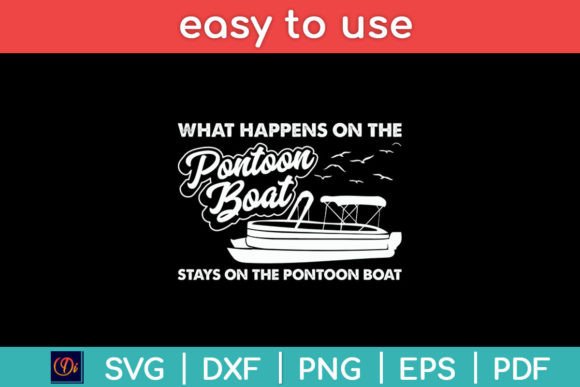
As a digital product creator who has spent years optimizing listings on Etsy and managing print-on-demand stores, I approach every new asset with a mix of excitement and skepticism. The market is saturated, and the difference between a listing that sells and one that gathers dust often comes down to niche relevance, visual quality, and how easily a design can be integrated into a broader product line. Recently, I evaluated a specific graphic design asset titled What Happens on the Pontoon Boat. This piece, described as a Pontoon Captain Retro Vintage Style Pontoon Boat Funny Svg Design, caught my attention not just for its humor, but for its potential utility across multiple commercial avenues.
This review breaks down exactly how this asset performs in a real-world selling scenario, from initial first impressions to technical verification for Cricut and Silhouette users, and finally, strategic placement in an online shop.
First Impressions and Niche Appeal
The moment I opened the file, the retro vintage aesthetic was immediately apparent. The design leans heavily into the "captain" theme, utilizing typography and illustration styles that evoke mid-century Americana or nautical nostalgia. For the target audience—boaters, summer vacationers, and fans of lake life—this hits the right emotional notes. It feels playful yet polished, avoiding the cluttered look that plagues many low-quality SVG designs.
From a branding perspective, this asset works well for small business owners looking to tap into seasonal trends. Summer months are prime time for water-themed merchandise, and this design offers a humorous hook that resonates with adults who enjoy leisure activities. It is not overly cute or childish; rather, it strikes a balance that appeals to a broad demographic, making it versatile for t-shirt designs, mug designs, and wall decals. The visual personality suggests a brand identity that is relaxed, fun, and slightly rugged, which helps in creating cohesive collections.
Real-World Application: Building a Product Collection
I do not believe in dropping a single image into a shop and hoping for sales. Instead, I test assets across various formats to see where they shine. Here is how I plan to integrate What Happens on the Pontoon Boat into a comprehensive digital product strategy.
- Apparel and Merchandise: As a SVG design, this is perfect for cutting machines. I envision using it on heavy cotton tees for men and women, as well as on tumblers for those who take their beverages boating. The clean lines ensure that when cut, the vinyl adheres smoothly without excessive weeding frustration for the end-user.
- Digital Downloads: For sellers who prefer passive income, this can be converted into a printable design. High-resolution PNG versions allow customers to download the file and print it themselves at home or through local print shops. This opens up opportunities for poster art, nursery prints, and decorative wall decor.
- Seasonal Bundles: To increase average order value, this asset should not stand alone. I would pair it with complementary graphics—perhaps anchors, waves, or other summer icons—to create a design bundle. This adds perceived value and encourages buyers to purchase more than one item.
- Social Media and Blogging: Content creators can use this as a social media graphic for Instagram posts or Pinterest pins. The bold text and engaging imagery make it ideal for driving traffic to a blog post about boat safety or summer packing lists.
Product Presentation and Mockup Strategy
In the world of creative marketplace listings, your thumbnail is everything. A beautiful design lost in a poor presentation will fail to convert. When preparing the listing images for What Happens on the Pontoon Boat, I focus on context. Showing the design flat is necessary, but showing it in situ is what builds trust.
I recommend creating mockups that place the design on actual pontoon boats, lake houses, or casual summer outfits. This visual storytelling helps the customer imagine the final product. For example, a mockup of a white mug with the retro captain design sitting on a wooden dock by a lake creates an immediate association with relaxation and leisure. This elevates the perceived value of the digital download.
Furthermore, consistency is key. If this is part of a larger collection, the font styles and color palettes should match across all assets. Pairing this graphic with a serif font for headings and a handwritten font for accents can enhance the vintage feel, ensuring a professional brand identity throughout the shop.
Where This Asset Shines
This design is particularly effective in large product previews where details can be appreciated. It works beautifully on tote bag prints, sublimation designs for polyester fabrics, and even as part of a scrapbooking kit. The retro style also lends itself well to packaging design, allowing sellers to create branded tags or stickers that complement the main product.
Areas Requiring Caution
However, no asset is perfect for every application. There are specific scenarios where What Happens on the Pontoon Boat might struggle if not handled correctly.
- Tiny Sticker Details: If you plan to turn this into a small die-cut sticker, the intricate details of the vintage style might get lost. Always test the scale before producing physical goods.
- Low-Resolution Prints: Ensure you have the correct file resolution. Using a low-res PNG for a large wall decal will result in pixelation, damaging your reputation and leading to refunds.
- Crowded Thumbnails: On mobile devices, complex designs can become muddy in small thumbnails. Simplify the background or adjust the contrast to ensure the text remains legible at a glance.
- Dark Backgrounds: While the design looks great on light backgrounds, testing it against dark colors is crucial. If the design relies on thin white lines, they may disappear on a navy blue shirt unless properly outlined.
Practical Seller Notes and Technical Checks
Before publishing any listing, I perform a rigorous checklist. For this specific commercial design, here are the non-negotiable steps:
- Verify Commercial Licensing: Confirm that the commercial license allows for unlimited sales of physical products made from the digital file. Some licenses restrict the number of items sold or prohibit certain uses.
- Inspect SVG Cut Quality: Open the SVG in your cutting software. Check for overlapping paths, stray nodes, or incorrect layer groupings. A messy file leads to frustrated customers and negative reviews.
- Test Print Colors: Colors on screen do not always match print output. Print a test copy to ensure the retro tones appear accurate and vibrant.
- Check Transparency: Verify that the PNG layers have true transparency. Ghostly white backgrounds around the edges of a design are a common error that screams amateur.
- Organize Files Clearly: When delivering to customers, include clear instructions. Separate the SVG, PNG, and PDF files into distinct folders. Include a readme file with usage tips.
Final Verdict
What Happens on the Pontoon Boat is a strong addition to any digital seller’s inventory, particularly those targeting the crafts and lifestyle niches. Its retro vintage charm, combined with a universally understood joke, gives it high viral potential. By treating it as part of a larger ecosystem—using it in bundles, pairing it with complementary fonts, and presenting it through high-quality mockups—you can maximize its revenue potential.
For Cricut users, the clean cut lines make it a joy to work with. For POD sellers, the versatility across apparel and home decor ensures steady demand during peak seasons. Just remember to respect the licensing agreements and maintain high standards in your product presentation. In the competitive world of print-on-demand and Etsy products, attention to detail is what separates successful businesses from hobbyists. This asset provides the creative foundation; your execution determines the success.